

Xinjiang Travel Guided Tour or Independent Travel Which is Better Early Booking and Price Reference Recommended Itinerary Costs and Prices
Contact Manager Wang Fei at phone number 18095969599 or WeChat 18095969599 to send your itinerary and quotation.
On this vast land where stars and moons intertwine, snow-capped mountains dance with grasslands, and lakes mirror the deserts—Xinjiang, a region covering one-sixth of China’s land area, captivates countless travelers with its unique natural and cultural charm. Faced with the classic dilemma of ‘joining a tour group or traveling independently,’ travelers in 2026 now have a more rational basis for their choice. This article will analyze the pros and cons of both travel methods from three dimensions: itinerary adaptability, cost controllability, and service reliability, incorporating recent market data and real-life cases.
I. Independent Travel: The Cost of High Freedom is ‘Hidden Costs’
(1) Itinerary Design:A Complex ‘Geographic Jigsaw Puzzle’
The distance between attractions in Xinjiang generally exceeds 300 kilometers, with a one-way trip taking 3-5 hours being the norm. Taking the Northern Xinjiang Loop as an example, the journey from Urumqi to Kanas Scenic Area is about 500 kilometers, requiring a traverse through the Gurbantunggut Desert and over the Altai Mountains; from Kanas to Sayram Lake, it’s nearly 800 kilometers, crossing the Junggar Basin. Independent travelers must plan their routes, check real-time road conditions, and confirm highway regulations, with pre-trip preparations taking several days.
(2) Resource Acquisition:The ‘Resource Scramble’ During Peak Season
In 2026, during Xinjiang’s peak tourist season (May-October), accommodation prices surge severely, with hotels near scenic spots costing 2-3 times more than in the off-season. The average price of a wooden cabin in Hemu Village reaches 1,500 yuan per night during peak season and requires booking half a month in advance; hotels inside the Kanas Scenic Area are ‘impossible to book.’ Independent travelers who fail to secure resources in advance may face last-minute room changes or remote accommodations, directly impacting their travel experience.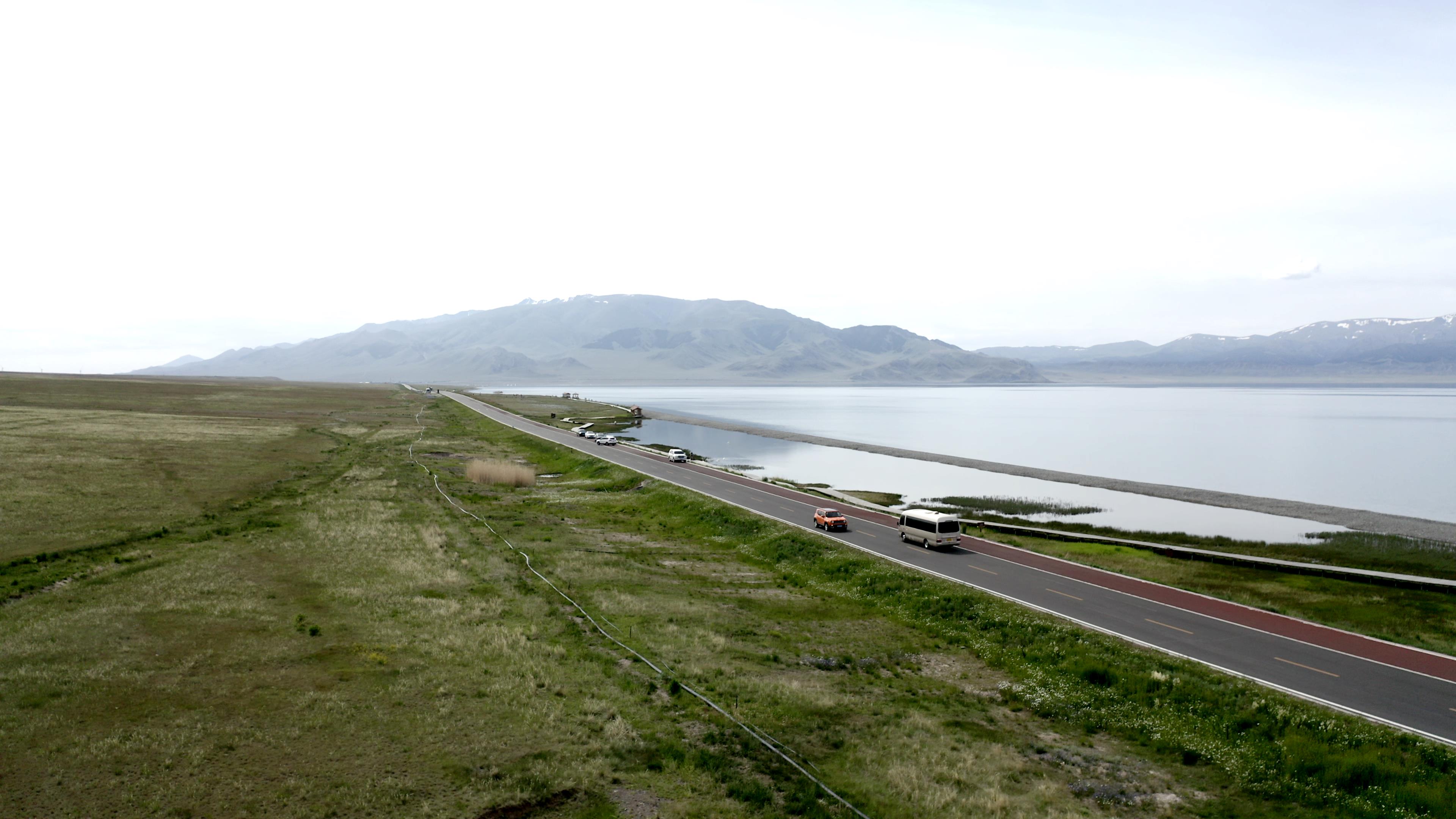

On this vast land where stars and moons intertwine, snow-capped mountains dance with grasslands, and lakes mirror the deserts—Xinjiang, a region covering one-sixth of China’s land area, captivates countless travelers with its unique natural and cultural charm. Faced with the classic dilemma of ‘joining a tour group or traveling independently,’ travelers in 2026 now have a more rational basis for their choice. This article will analyze the pros and cons of both travel methods from three dimensions: itinerary adaptability, cost controllability, and service reliability, incorporating recent market data and real-life cases.(3) Risk Response:The ‘Unknown Challenges’ of Unfamiliar Road Conditions
Xinjiang features many mountain roads and mountainous sections with frequently changing weather and sudden road conditions. The Duoku Highway is recommended to be open for only 4 months a year and is often temporarily closed due to snowfall or mudslides; some sections of Provincial Highway S101 have no signal coverage, causing navigation to fail easily. Tourists without plateau self-driving experience who travel blindly are prone to increased risks due to route planning errors and inadequate road condition responses.
II. Joining a Tour Group: The ‘Quality Divide’ Behind Peace of Mind
(1) Traditional Bus Tours:The ‘Experience Trap’ Behind Low Prices
Some budget-friendly tours on the market (e.g., a 4-day tour for 1,299 yuan) compensate for costs by shortening游玩 (touring) time and forcing shop visits. Attractions labeled as ‘Jade Culture Museum’ or ‘Dried Fruit Experience Center’ are actually shopping stops, with each store停留 (staying) for over 90 minutes; the core attraction, Tianchi, is recommended for only 1.5 hours of visiting, with no access to core viewing platforms like Guanyu Terrace; accommodations are far from the scenic area, with daily round-trip travel exceeding 4 hours. Tourists complain:‘The few hundred yuan saved on a low-priced tour wasted my vacation and ruined my trip.’
(2) Quality Tours Without Forced Shopping:The ‘Double Guarantee’ of Peace of Mind and Experience
Taking Xinjiang Explorer International Travel Agency’s ‘7-Day Northern Xinjiang Loop’ as an example, this itinerary covers core attractions such as Tianchi, Kanas, Hemu, and Sayram Lake, with a relaxed pace and daily travel time controlled within 4 hours. The cost includes full transportation, first-entry tickets to scenic spots, 4-5-star accommodations, and特色 (special) meals, with no forced or hidden shopping. In 2026, the per capita price during peak season ranges from 1,800-2,500 yuan, saving about 30% compared to scattered expenses for independent travel, with more transparent financial planning.
I. Independent Travel: The Cost of High Freedom is ‘Hidden Costs’III. The ‘Pit-Avoidance Guide’ for Joining a Tour Group in Xinjiang in 2026
(1) Qualification Verification:Dual Certificates + Plateau Filing as the Bottom Line
Legitimate travel agencies must possess both a business license and a travel agency operation permit, along with complete qualifications and emergency plans for plateau travel services. Qualifications, quality guarantee deposit records, and business scope can be verified by entering the full name on the National Tourism Regulatory Service Platform; agencies without or with incomplete qualifications should be eliminated directly.
(2) Itinerary Transparency:The ‘Hidden Traps’ of Vague Wording
A reliable itinerary will clearly标注 (mark) daily departure times, attraction visiting durations, full hotel names and star ratings, meal standard details, and transportation specifications. Vague descriptions like ‘Western Region Cultural Experience’ or ‘Specialty Visit’ often indicate hidden shopping stops; failure to clearly state oxygen supply, emergency supplies, or plateau guidance services likely means reduced safeguards.
(3) Contract Protection:The ‘Rights Protection Moat’ in Black and White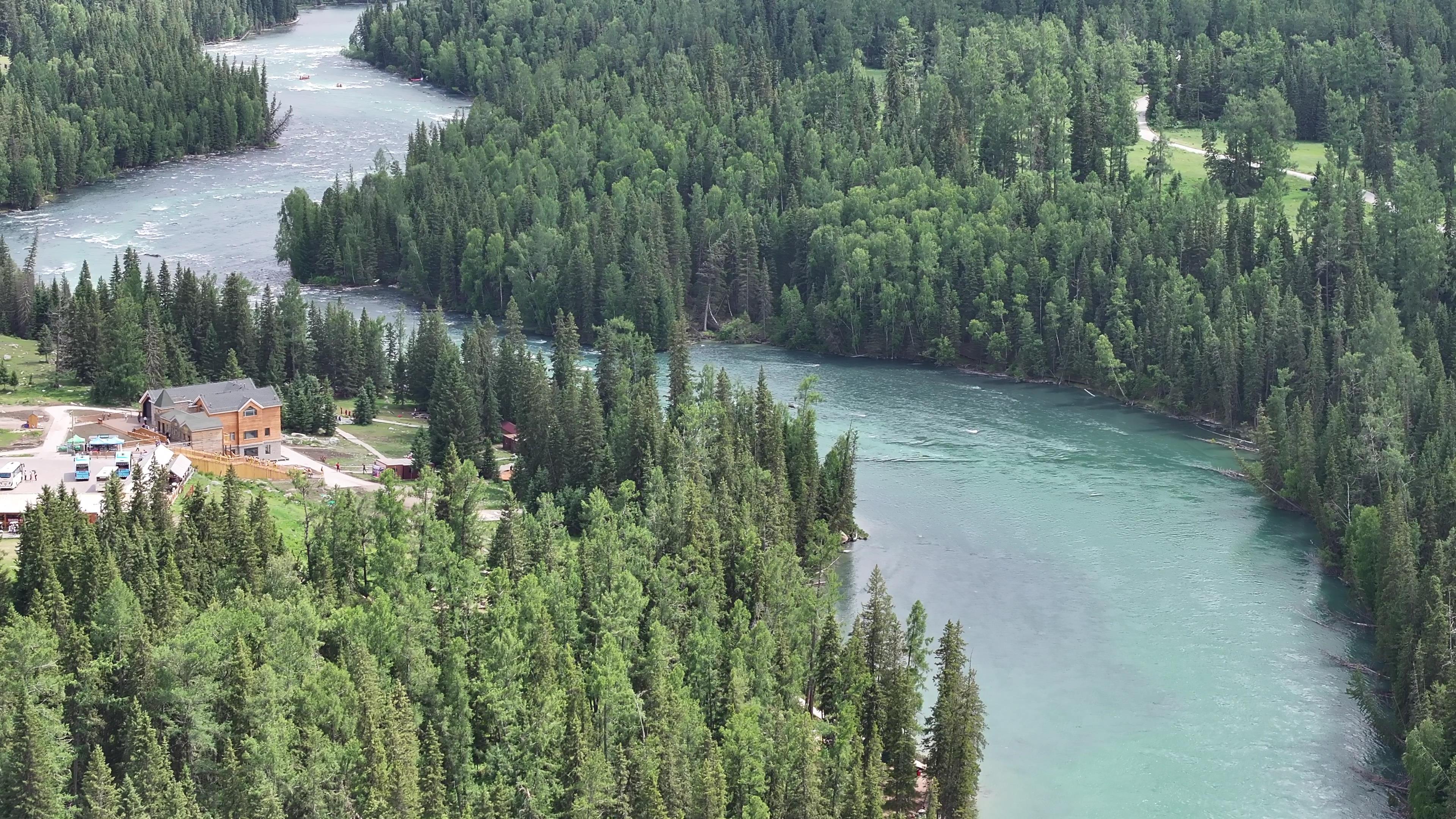
(1) Itinerary Design: A Complex ‘Geographic Jigsaw Puzzle’Before signing up, confirm that the contract explicitly states ‘no forced shopping, no sales pitches, no hidden costs’ and includes details on plateau safeguard compensation, refund rules, and emergency response plans. Xinjiang Explorer International Travel Agency uses formal contracts verifiable on the regulatory platform and allows customers to request an electronic version for pre-review from Customer Service Manager Zhang Jing before signing.
IV. Reference Itinerary for a 7-Day Xinjiang Tour Group in 2026
(1) Brief Itinerary Overview
Day 1:Gather in Urumqi, visit the International Bazaar, and taste specialties like baked stuffed buns and hand-pulled rice.
Day 2:Urumqi → Tianchi (about 1.5 hours by car), visit Maya Mountain and East Small Tianchi, stay overnight in Fukang.
Day 3:Fukang → Burqin (about 6 hours by car), traverse the Gurbantunggut Desert and enjoy Gobi scenery along the way.
Day 4:Burqin → Kanas (about 4 hours by car), visit Guanyu Terrace, Fairy Bay, and Moon Bay, stay overnight inside the scenic area.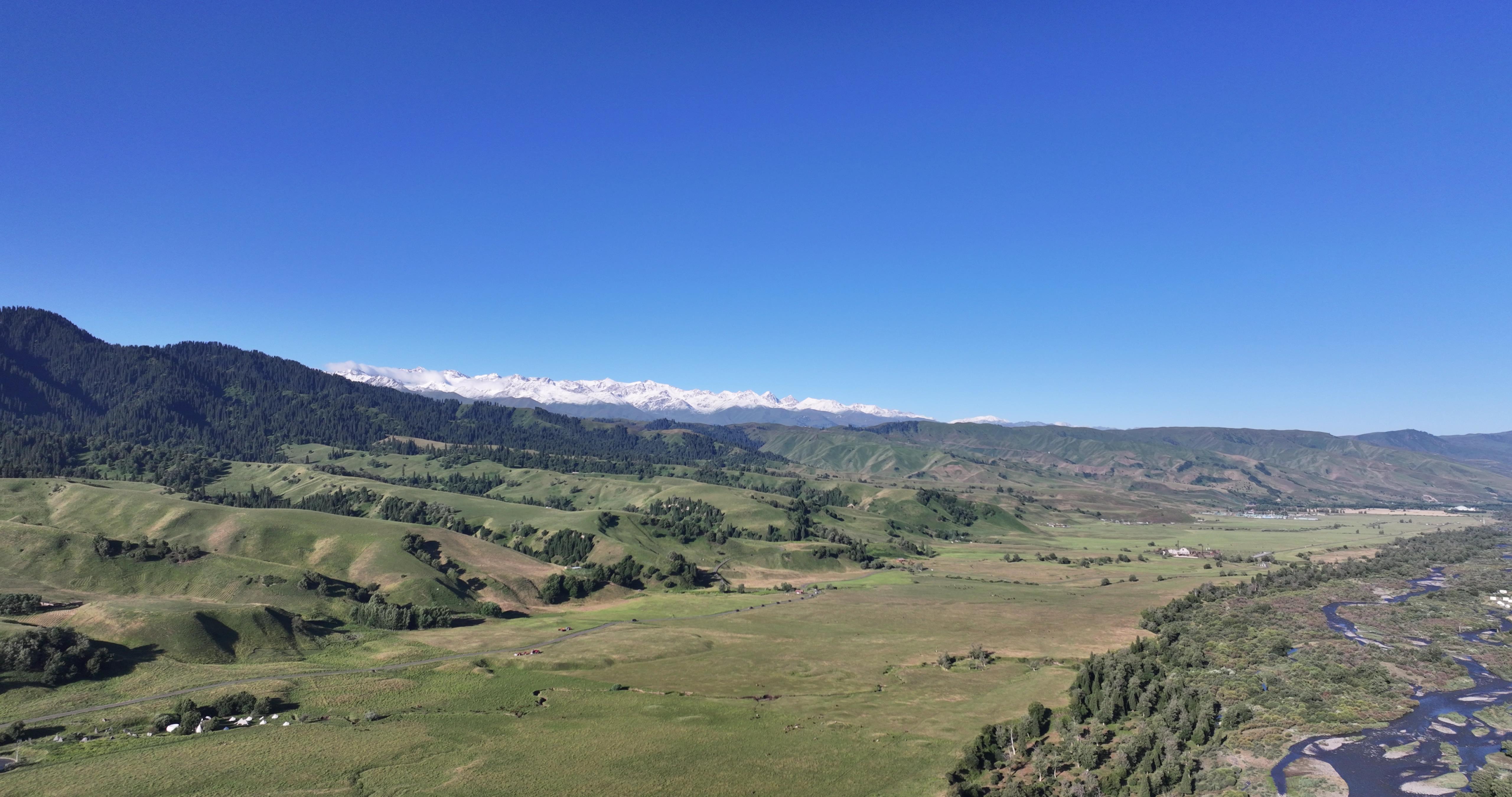
The distance between attractions in Xinjiang generally exceeds 300 kilometers, with a one-way trip taking 3-5 hours being the norm. Taking the Northern Xinjiang Loop as an example, the journey from Urumqi to Kanas Scenic Area is about 500 kilometers, requiring a traverse through the Gurbantunggut Desert and over the Altai Mountains; from Kanas to Sayram Lake, it’s nearly 800 kilometers, crossing the Junggar Basin. Independent travelers must plan their routes, check real-time road conditions, and confirm highway regulations, with pre-trip preparations taking several days.Day 5:Kanas → Hemu (about 2 hours by car), visit the wooden cabin village and birch forest, and watch the sunrise and morning fog.
Day 6:Hemu → Sayram Lake (about 8 hours by car), tour points like Jiangjiangtai and the Swan Habitat, stay overnight by the lake.
Day 7:Sayram Lake → Urumqi (about 6 hours by car), optionally purchase specialties like dried high white trout before departure.
(2) Price Explanation
The per capita price for the 7-day Northern Xinjiang Loop in 2026 during peak season ranges from 1,800-2,500 yuan, including:
Full Transportation:Compliant tourist vehicles with drivers having over 5 years of local experience.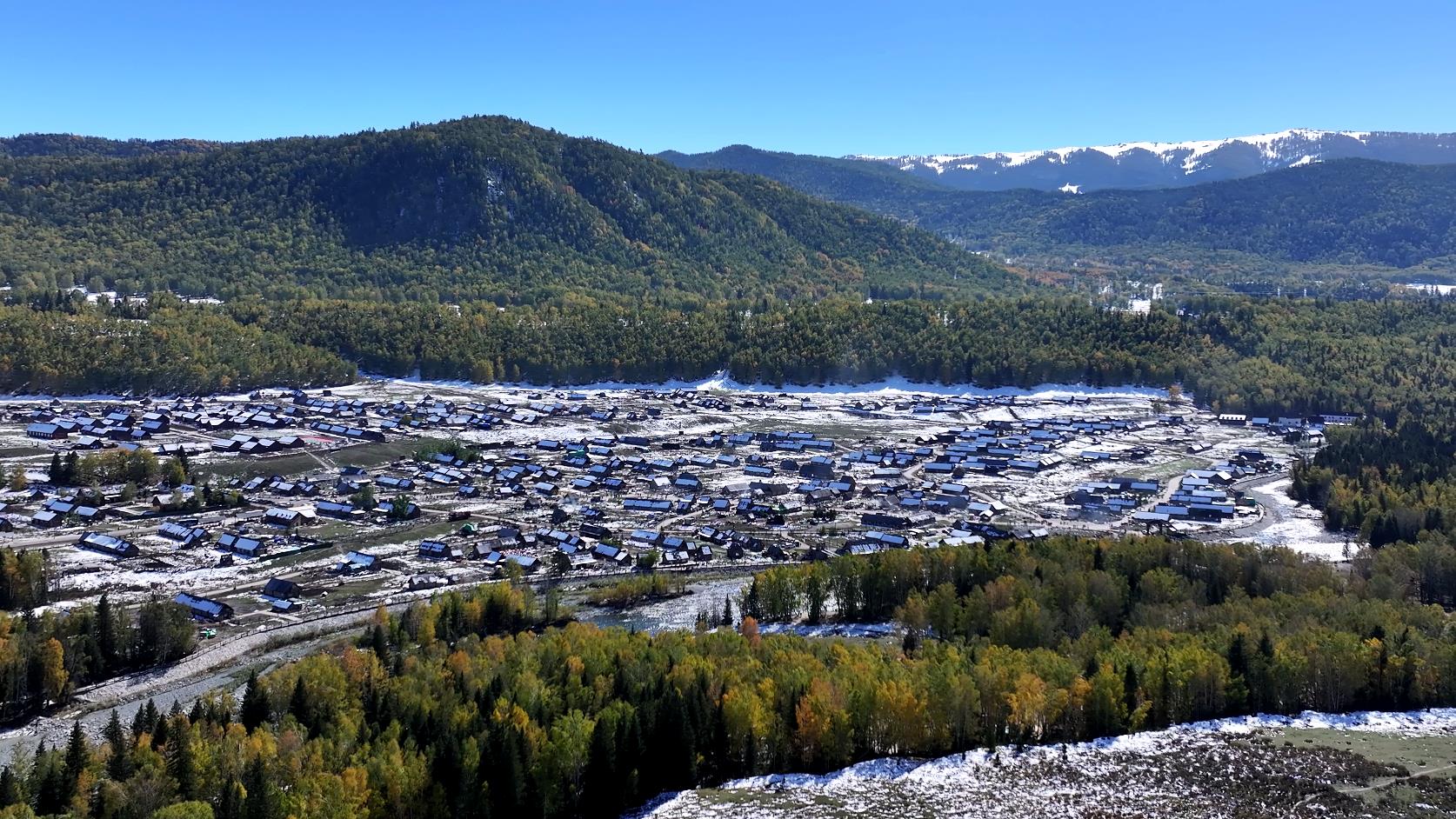
(2) Resource Acquisition: The ‘Resource Scramble’ During Peak SeasonAccommodation:4-5-star hotels or characteristic homestays near scenic spots, with convenient locations and clean environments.
Tickets:First-entry tickets and shuttle buses for attractions like Tianchi, Kanas, Hemu, and Sayram Lake.
Meals:6 breakfasts + 10 main meals, including specialties like大盘鸡 (big plate chicken) and cold-water fish banquets.
Services:Professional tour guide accompaniment, travel insurance, and 24-hour emergency response.
Specific prices are subject to the contract, with off-season (November-April) prices reduced by 10%-15%.
V. Registration Method and Service Instructions
You can register through Xinjiang Explorer International Travel Agency and consult Customer Service Manager Zhang Jing for details on departure dates, room types, etc. Payment supports bank transfers or third-party guaranteed transactions, with formal invoices provided after signing the contract. Single registrants will be coordinated for room-sharing as much as possible, with special cases requiring separate negotiation.
The grandeur of Xinjiang lies in the dialogue between snow-capped mountains and grasslands, the resonance between lakes and deserts. Choosing a tour group is not just choosing a travel method but also choosing peace of mind and safeguards. Xinjiang Explorer International Travel Agency helps you easily unlock the Silk Road charm with transparent pricing, professional services, and emergency safeguards. Specific itinerary details and cost explanations are subject to actual consultation and signing, with reasonable itinerary changes allowed upon mutual agreement.
Contact Manager Wang Fei at 18095969599 or WeChat 18095969599 to send your itinerary and quotation.


