

What to Do About Altitude Sickness on Group Tours in Kashgar Precautions for Pamir Route Recommended Route Costs and Prices
Contact Manager Yang Jia at phone number 13325559266 or WeChat 13325559266 to send itinerary and quotation.
Icon prefix:✨
The Pamir Plateau in Kashgar, known as the ‘High Plateau,’ attracts countless travelers with its magnificent natural scenery and unique cultures of various ethnic groups. However, altitude sickness is a concern for many visitors. This article will provide a detailed introduction on how to cope with altitude sickness and plan a scientifically reasonable travel route for the Pamir Plateau, helping you travel with peace of mind.
I. Detailed Introduction to the Route or Destination
The Pamir Plateau spans China, Tajikistan, and Afghanistan, with an average elevation exceeding 4,000 meters. It is home to famous peaks such as Muztagh Ata and Kongur Tagh, as well as high-altitude lakes like Karakul Lake and Baisha Lake. This place is not only a paradise for mountaineering enthusiasts but also an ideal destination for photography lovers. The climate in high-altitude areas is variable, with significant temperature differences between day and night, strong ultraviolet radiation, and thin oxygen in some regions, which can easily trigger altitude sickness.
Altitude sickness is a normal physiological reaction of the human body in low-pressure and low-oxygen environments. Common symptoms include headaches, insomnia, loss of appetite, fatigue, and difficulty breathing. Most symptoms can resolve on their own within 1 to 2 days, but severe cases require prompt medical attention.
II. Simple Itinerary Planning
Based on the latest travel information for 2026, a 4-day, 3-night group tour itinerary for the Pamir Plateau is recommended, balancing sightseeing with altitude acclimatization:
Day 1:Kashgar – Ayiqtak Red Mountain – Baisha Lake – Karakul Lake – Taxkorgan
Morning:Depart from Kashgar and travel along the China-Pakistan Friendship Highway to Ayiqtak Red Mountain to enjoy the magnificent scenery of the red mountains and distant snow-capped peaks.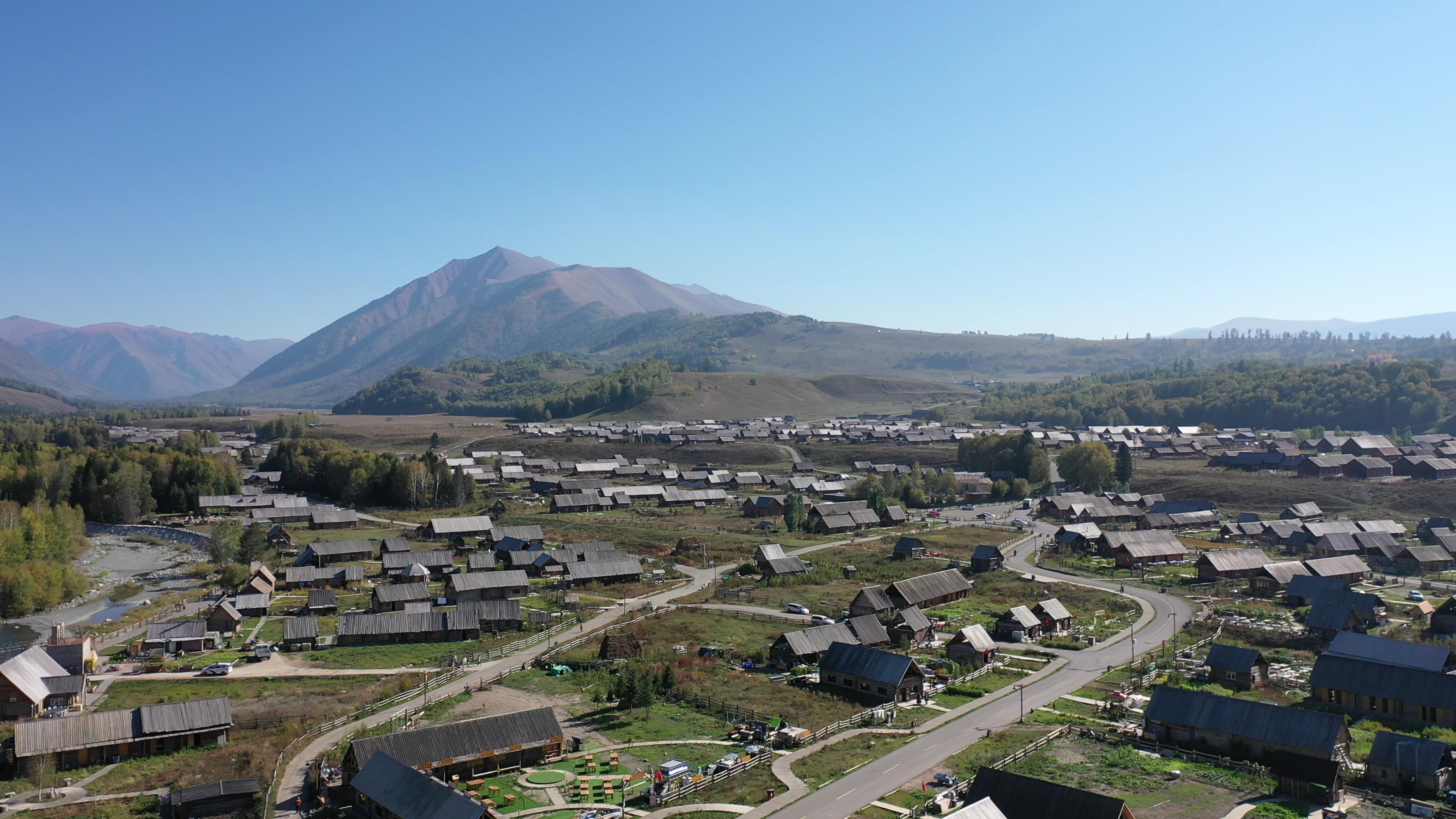

Icon prefix:✨Afternoon:Arrive at Baisha Lake to capture the dreamy scene of white sandy mountains and gradient blue lake water. Then proceed to Karakul Lake to face the majestic presence of Muztagh Ata.
Evening:Check into an oxygen-supplied hotel in Taxkorgan Tajik Autonomous County (Taxkorgan) at an altitude of about 3,200 meters to acclimate to the high-altitude environment.
Day 2:Taxkorgan – Stone City – Golden Grassland – Panlong Ancient Road – Bandir Blue Lake – Taxkorgan
Morning:Visit the thousand-year-old Stone City ruins to experience the historical weight of the ancient Silk Road; stroll through the Golden Grassland wetlands to appreciate the grassland scenery surrounded by snow-capped mountains.
Afternoon:Traverse the Panlong Ancient Road to experience the awe of ‘having walked all the winding paths of life today, henceforth life will be nothing but smooth sailing’; visit Bandir Blue Lake to capture the serene scene of deep blue lake water and snow-capped mountains.
Evening:Return to Taxkorgan for accommodation and experience the folk culture of various ethnic groups.
Day 3:Taxkorgan – Khunjerab Pass – Wakhan Corridor – Muztagh Ata Glacier – Taxkorgan
Morning:Travel to Khunjerab Pass at an altitude of 4,733 meters to feel its solemnity and vastness.
Afternoon:Visit the Wakhan Corridor to learn about the history of the ancient Silk Road; get up close to the Muztagh Ata Glacier to feel its grandeur and mystery.
Evening:Return to Taxkorgan for accommodation and prepare for the return journey.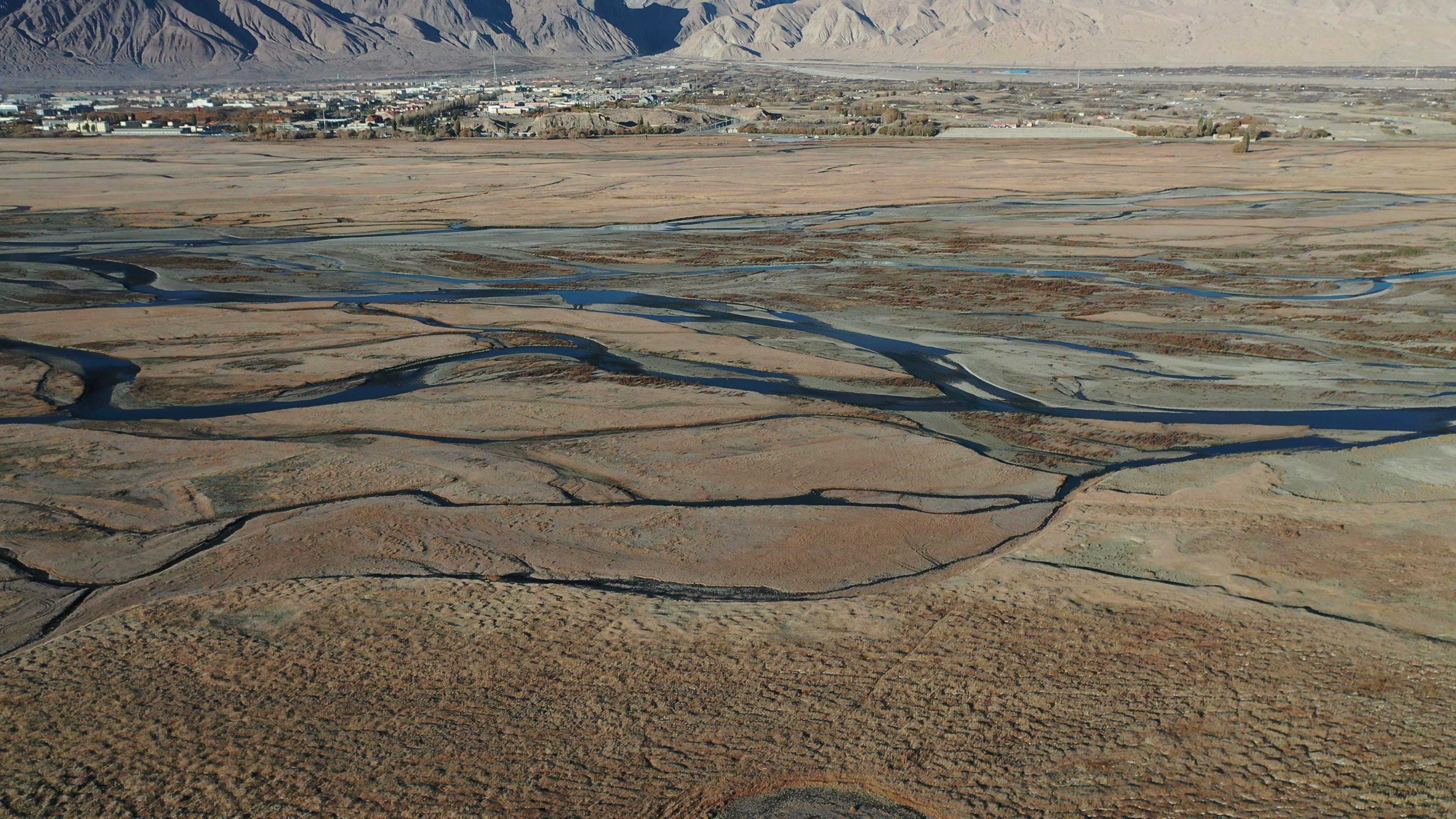
The Pamir Plateau in Kashgar, known as the ‘High Plateau,’ attracts countless travelers with its magnificent natural scenery and unique cultures of various ethnic groups. However, altitude sickness is a concern for many visitors. This article will provide a detailed introduction on how to cope with altitude sickness and plan a scientifically reasonable travel route for the Pamir Plateau, helping you travel with peace of mind.Day 4:Taxkorgan – Taxkorgan Wetland – Scenery along G314 – Return to Kashgar
Morning:Visit Taxkorgan Wetland to capture the aesthetic scene of grasslands, water systems, and tree-hole roads.
Afternoon:Return to Kashgar along National Highway G314, stopping along the way to savor the grandeur and gentleness of the Pamir Plateau.
III. Price Explanation
The reference price range for a 4-day, 3-night group tour to the Pamir Plateau in 2026 is 4,200 to 5,500 yuan per person, specifically including:
Admission Tickets:500 to 700 yuan (including tickets to core attractions; students can enjoy a half-price discount).
Transportation:1,800 to 2,200 yuan (official tourist vehicles, including return transportation).
Meals:900 to 1,300 yuan (local Xinjiang specialties, avoiding high prices at scenic spots).
Accommodation:Includes 3 nights in quality oxygen-supplied hotels or characteristic homestays.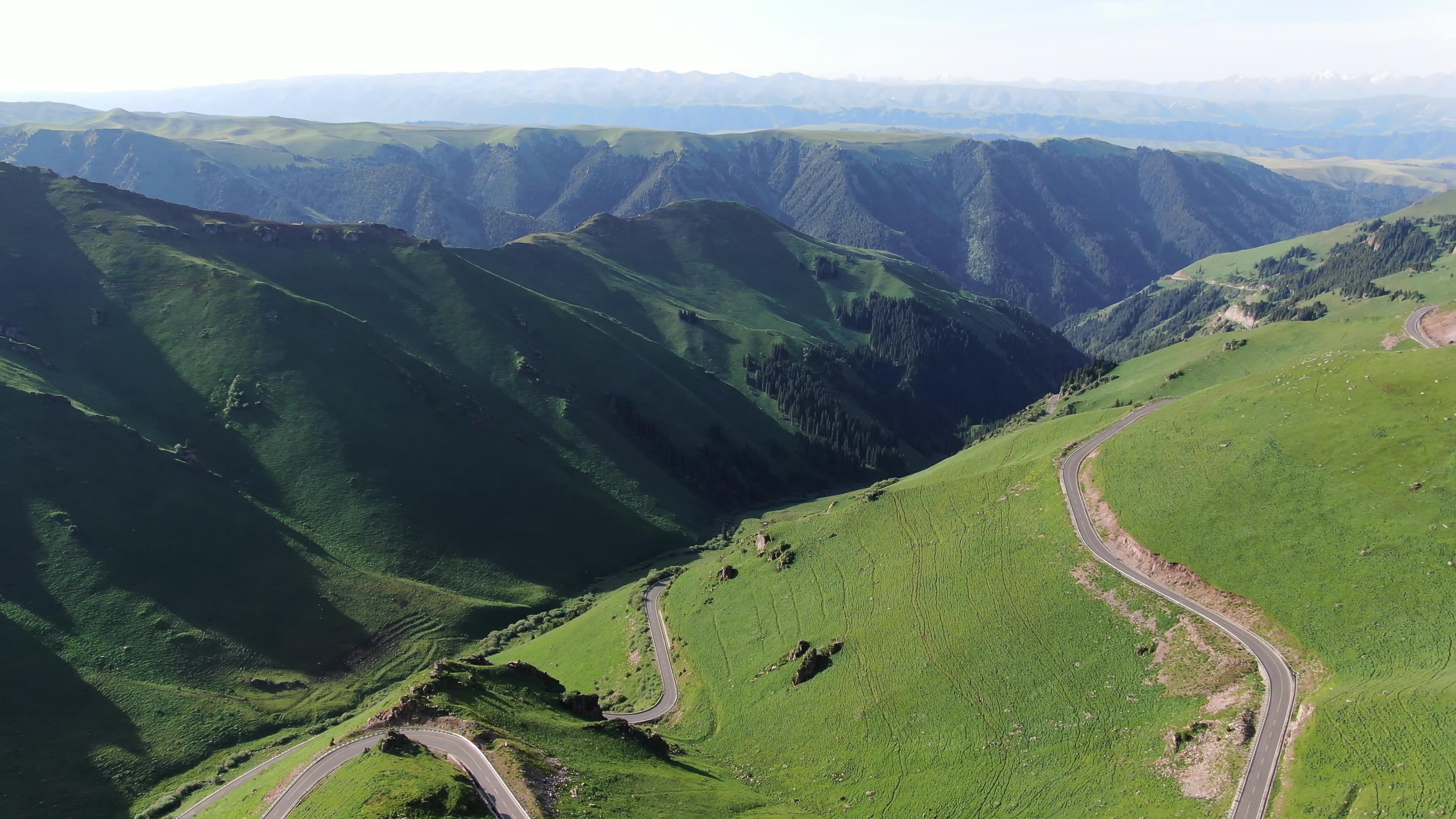
I. Detailed Introduction to the Route or DestinationThe above prices may fluctuate depending on the tour schedule; specifics are subject to the contract or confirmation on the day.
IV. Registration Method
You can register for the Pamir Plateau tour through Xinjiang Pathfinder International Travel Agency.
V. Fee Explanation and Service Explanation
Fees Include:Admission tickets to attractions within the itinerary, official tourist vehicles, quality accommodation, characteristic meals, and professional guide services.
Fees Do Not Include:Personal expenses, permit processing fees (can be processed free of charge at the Kashgar Government Affairs Hall), and personal equipment such as emergency oxygen cylinders for high altitudes.
Service Explanation:
Xinjiang Pathfinder International Travel Agency provides professional guide services throughout the journey, familiar with high-altitude weather, road conditions, and emergency response to altitude sickness.
The itinerary clearly indicates altitudes and risk points, providing detailed pre-trip high-altitude precautions.
Vehicles are equipped with emergency oxygen to assist tourists.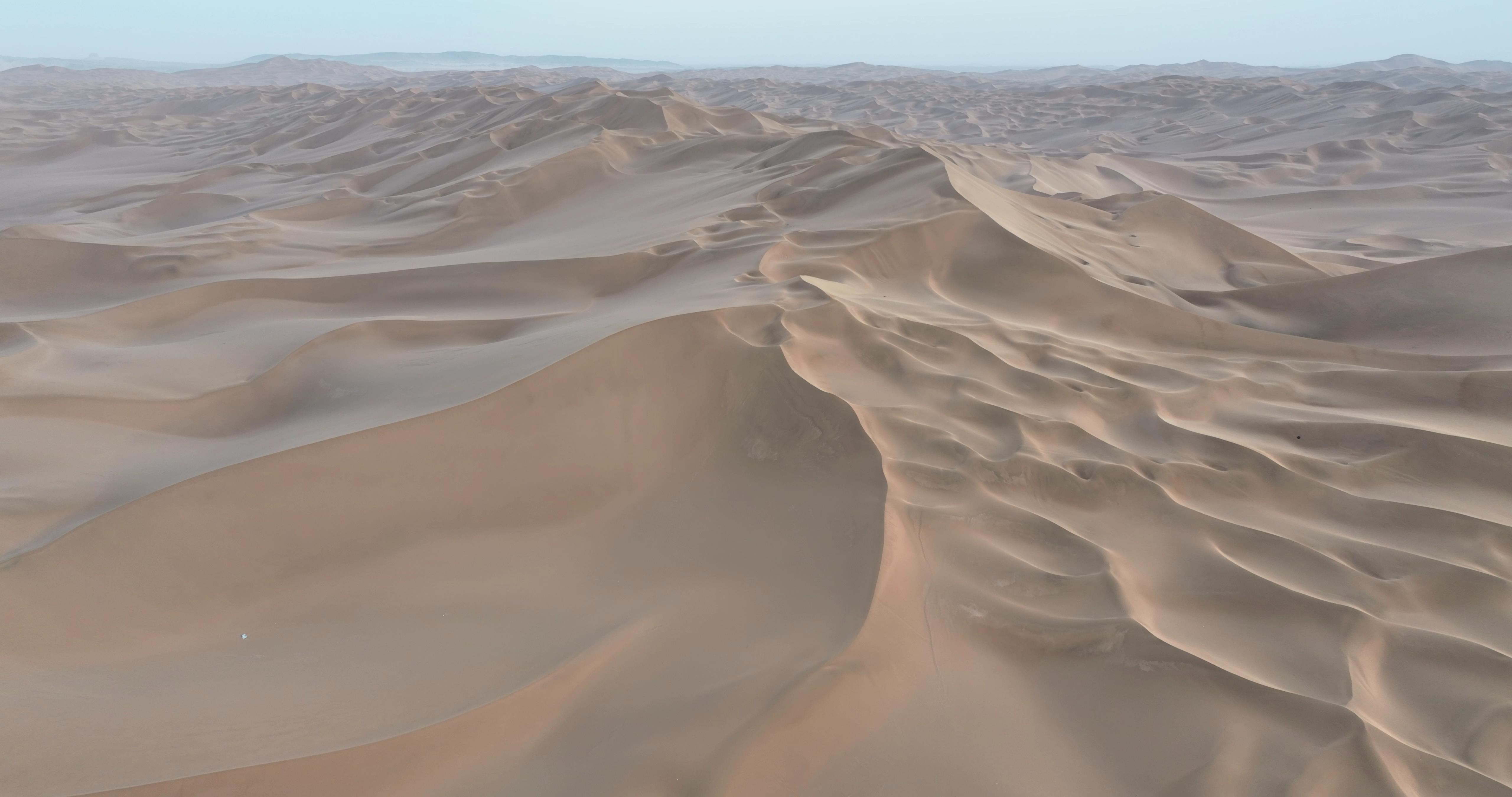
The Pamir Plateau spans China, Tajikistan, and Afghanistan, with an average elevation exceeding 4,000 meters. It is home to famous peaks such as Muztagh Ata and Kongur Tagh, as well as high-altitude lakes like Karakul Lake and Baisha Lake. This place is not only a paradise for mountaineering enthusiasts but also an ideal destination for photography lovers. The climate in high-altitude areas is variable, with significant temperature differences between day and night, strong ultraviolet radiation, and thin oxygen in some regions, which can easily trigger altitude sickness. Both parties can reasonably modify the itinerary through mutual agreement; specifics are subject to actual consultation and contracting.
VI. Measures to Cope with Altitude Sickness
Pre-trip Preparation:
Take anti-altitude sickness medications such as Rhodiola and Gaoyuan’an one week in advance (effects vary by individual; consult a doctor).
Prepare emergency supplies such as portable oxygen cylinders, glucose, and chocolate.
Bring sunscreen, sunglasses, sun hats, magic scarves, lip balm, body lotion, and other sun protection and moisturizing items.
Precautions During the Trip:
Ascend in stages:Avoid quickly reaching high-altitude areas in a short time; give your body time to adapt.
Maintain adequate rest:Upon arriving in high-altitude areas, avoid strenuous exercise, staying up late, drinking alcohol, and taking hot showers immediately.
Altitude sickness is a normal physiological reaction of the human body in low-pressure and low-oxygen environments. Common symptoms include headaches, insomnia, loss of appetite, fatigue, and difficulty breathing. Most symptoms can resolve on their own within 1 to 2 days, but severe cases require prompt medical attention.Reasonable diet:Eat more vegetables, fruits, and other vitamin-rich foods, drink an appropriate amount of water, and avoid overeating.
Emergency response:
When experiencing mild altitude sickness symptoms, immediately stop activities, rest fully, and inhale oxygen to relieve symptoms.
For severe symptoms (such as severe headaches, vomiting, difficulty breathing, etc.), seek medical attention promptly or descend to lower altitude areas.
Professional support:
Guides from Xinjiang Pathfinder International Travel Agency have received training in emergency response to altitude sickness and can provide professional guidance and assistance.
VII. Special Tips
Permit Processing:A permit is required to visit core areas of the Pamir Plateau (such as Taxkorgan, Khunjerab Pass, Wakhan Corridor, etc.) and can be processed free of charge at the Kashgar Government Affairs Hall; ensure the destination is fully filled out.
Weather changes:The weather in the Pamir Plateau is variable; pay attention to weather forecasts at all times and take sun protection and warmth measures.
Respect local culture:The Pamir Plateau has unique cultures and customs; respect the habits of local people.
Consult Zhang Jing, the customer service manager of Xinjiang Pathfinder International Travel Agency, for more travel details. The grandeur and mystery of the Pamir Plateau await your exploration; prepare adequately and travel with peace of mind on this high plateau!
Contact Manager Yang Jia at phone number 13325559266 or WeChat 13325559266 to send itinerary and quotation.


