

What Are the Highlights of the Shache Station on Xinjiang’s Special Tourist Train Mukam Culture + Kunlun Train Quotes Recommended Itinerary Costs and Prices
Contact Manager Wang Fei at phone number 18095969599 or WeChat 18095969599 to send itinerary and quotation.
🚂 【Exploring the Silk Road Culture:Embark on the ‘Kunlun’ Special Train to Unlock the Art of Xinjiang Mukam and the Secret Realms of Northern and Southern Xinjiang】
I. Itinerary Highlights: A Cultural and Natural Journey Through Millennia
Xinjiang, a land that accounts for one-sixth of China’s territorial area, is not only a treasure trove of natural landscapes but also a living museum of diverse cultural exchanges. In 2026, the ‘Kunlun’ tourist special train, centered around ‘culture + nature,’ will connect classic attractions and intangible cultural heritage sites across northern and southern Xinjiang, with a special focus on ‘Mukam Art,’ a human intangible cultural heritage, allowing tourists to experience the unique charm of the ‘Land of Song and Dance’ during their journey.
【Mukam Culture:A Musical Epic on the Silk Road】
Mukam, meaning ‘grand suite’ in Uyghur, is a comprehensive art form integrating song, dance, and music, known as the ‘Gem of Oriental Music.’ In 2026, Xinjiang still preserves the living heritage of Mukam:
Kashgar:In the old teahouses of Kashgar’s ancient city, folk artists often improvise performances of the Twelve Mukams. Tourists can sit around and listen, experiencing the interplay of the satar (a plucked string instrument), dutar (a two-stringed lute), and hand drums.
Turpan:At the Grape Valley at the foot of the Jiaohe Ancient City, the ‘Mukam Cultural Festival’ is held every summer. Local artists from various ethnic groups perform classic excerpts such as ‘Qebiyat Mukam,’ accompanied by a fruit feast under the grape trellises, offering a ‘double feast for the taste buds and ears.’
Kuqa:As the birthplace of Mukam culture, the Resitan Street in Kuqa’s old city preserves traditional residences. Tourists can visit Mukam inheritors’ homes, watch intangible cultural heritage performances, and learn how this art form transitioned from the royal court to the folk.
【Advantages of the Special Train:A Moving ‘Cultural Living Room’】
The ‘Kunlun’ special train is not just a means of transportation but also a moving cultural space:
Carriage Design:Soft sleeper carriages incorporate Xinjiang folk elements, such as Atlas silk decorations and hand-embroidered cushions. Some carriages also feature small exhibition areas displaying Mukam musical instrument models and historical photos.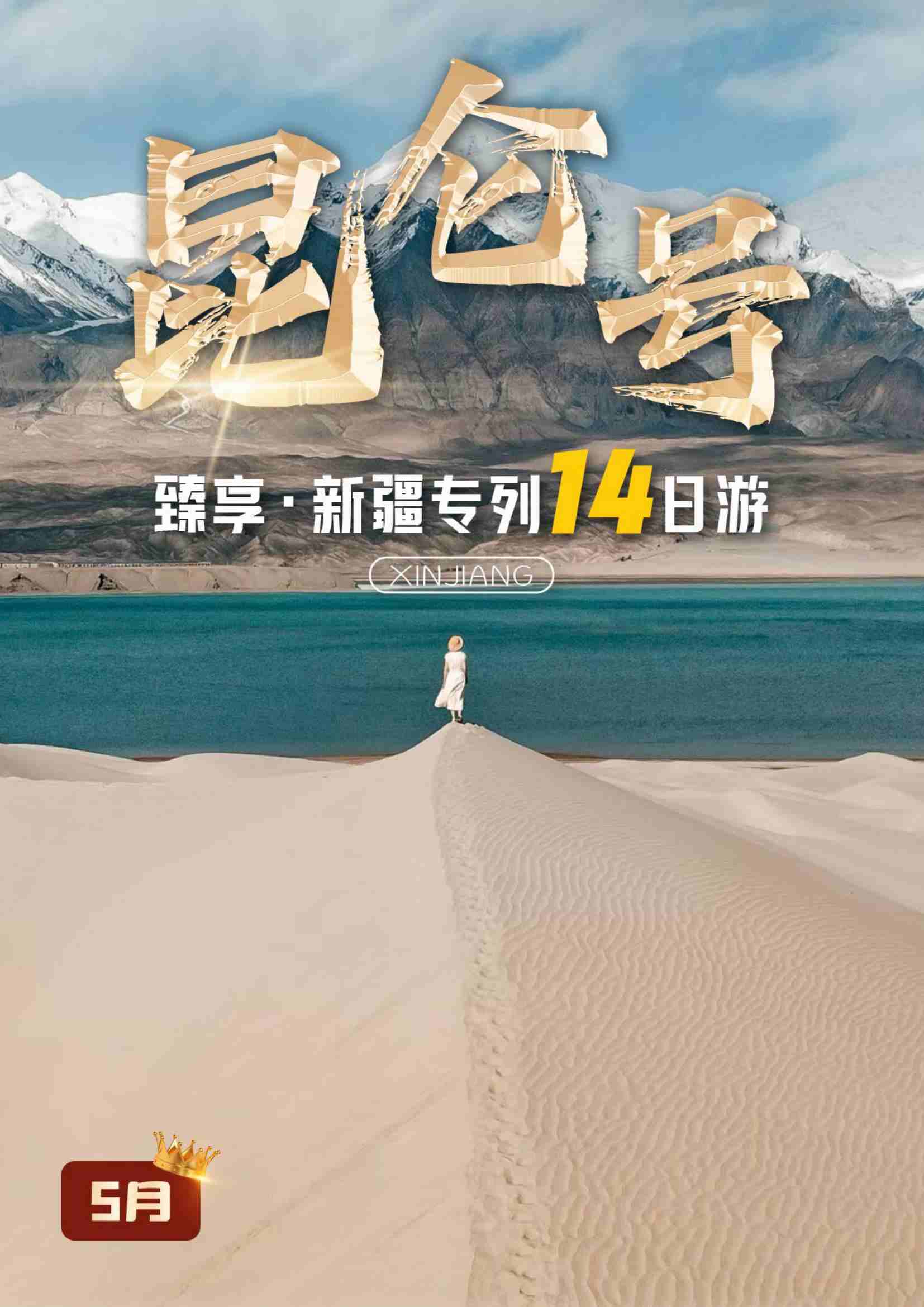

🚂【Exploring the Silk Road Culture: Embark on the ‘Kunlun’ Special Train to Unlock the Art of Xinjiang Mukam and the Secret Realms of Northern and Southern Xinjiang】Special Activities:The itinerary includes ‘Mukam Culture Lectures,’ inviting intangible cultural heritage inheritors or scholars to explain its history and performance techniques. Documentaries such as ‘Historical Imprints of Xinjiang, China’ are screened on the train in the evenings to deepen understanding of Silk Road culture.
II. Simple Itinerary: A 14-Day Immersive Experience of Northern and Southern Xinjiang’s Essence
(The following itinerary strictly adheres to the original text of the ‘Local Itinerary Facts,’ with minor adjustments recommended for punctuation and transitional language.)
Day 1:Departure – Urumqi
Arrive in Xinjiang’s capital, check into a hotel, and rest to adjust to the time difference.
Day 2:Turpan – Huorong Mountain – Karez Irrigation System – Fruit Feast – Grape Manor – Grape Valley – (Special Train) – Kuqa
Highlights:Visit the Karez underground water conservancy project to understand the wisdom of this ‘desert lifeline.’ In the evening, taste seedless white grapes in Grape Valley and watch a Mukam performance excerpt.
Day 3:Kuqa – Secret Grand Canyon of Tianshan – Resitan Street – Kuqa Old City – Song and Dance – (Special Train) – Kashgar
Highlights:Hike through the Secret Grand Canyon of Tianshan to experience the grandeur of the red rock formations. In Kuqa’s old city, experience traditional crafts such as making nang (bread) and copperware.
Day 4:Early Morning Pick-up in Kashgar – Baisha Lake – Karakul Lake – Taxkorgan
Highlights:Baisha Lake’s waters and white sand mountains complement each other, while Karakul Lake reflects Muztagh Ata Peak, making it a paradise for photographers.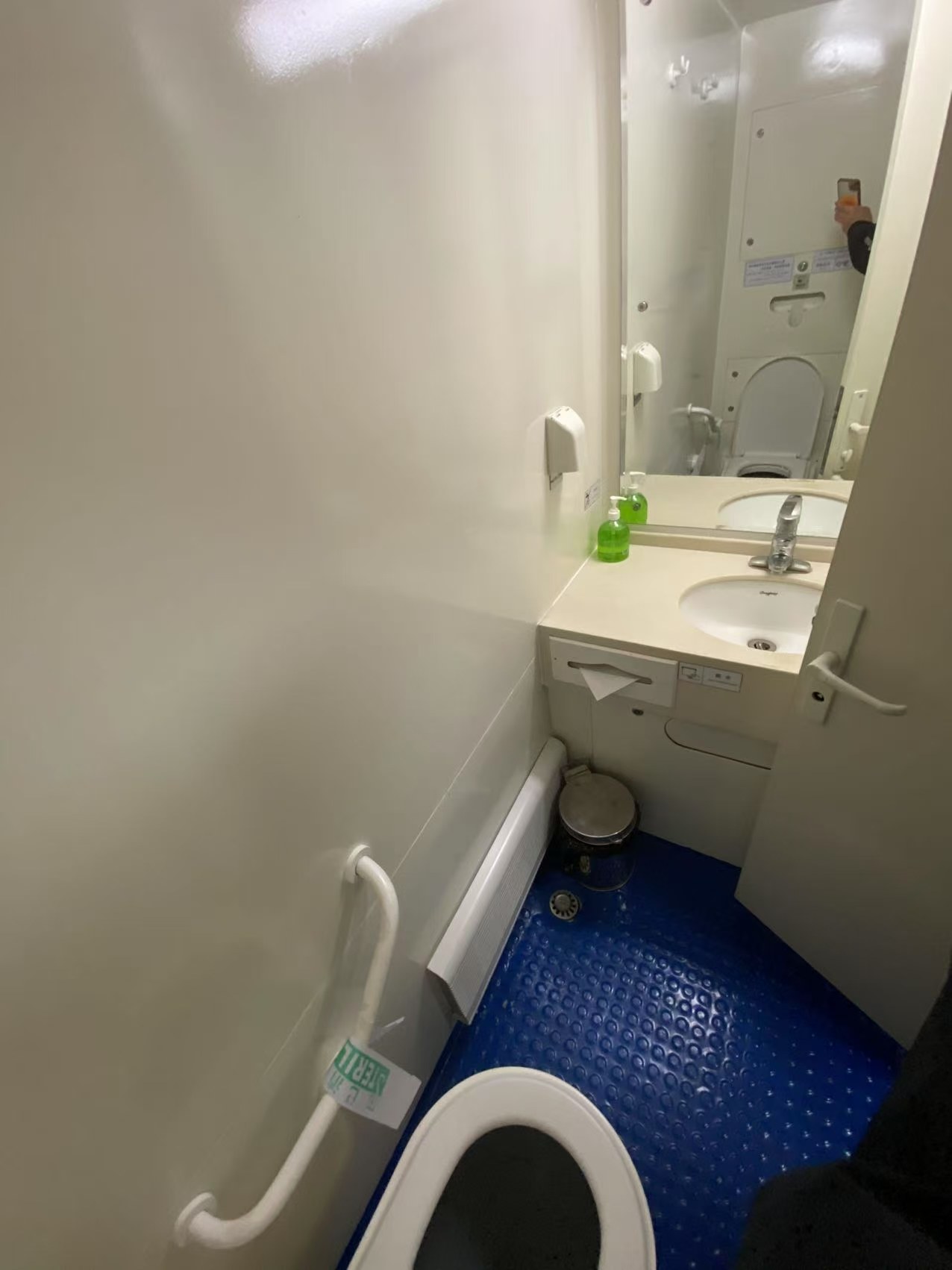
I. Itinerary Highlights: A Cultural and Natural Journey Through MillenniaDay 5:Taxkorgan – Golden Grassland – Stone City – Tajik Home Visit – Panlong Ancient Road – Kashgar
Highlights:Visit the homes of people from various ethnic groups, taste milk tea and nang bread, and drive along the Panlong Ancient Road, experiencing the slogan ‘After walking all the winding roads today, the rest of your life will be smooth sailing.’
Day 6:Kashgar – Hetian Jade Exhibition Hall – Kashgar Ancient City – Id Kah Mosque – Special Train – Kuqa
Highlights:Stroll through Kashgar’s ancient city to observe the ‘over-street buildings’ and ‘high-platform residences’ of traditional homes from various ethnic groups. Experience the solemnity of folk culture at Id Kah Mosque.
Day 7:Kuqa – Southern Section of the Duku Highway – Bayinbuluk – Nalati Town/Xinyuan
Highlights:Traverse the southern section of the Duku Highway, enjoying the panoramic view of snow-capped mountains, grasslands, and canyons along the way. At Bayinbuluk Grassland, wait for the sunset spectacle of ‘Nine Suns.’
Day 8:Nalati Aerial Grassland – Gongliu
Highlights:Ride a horse or hike on Nalati’s aerial grassland, communicate with local people from various ethnic groups, and learn about nomadic life.
Day 9:Kurdening Grassland – Liuxing Street – Tekes Ancient City – Lavender Manor – Yining/Kokdala
Highlights:The spruce forests and grasslands of Kurdening Grassland intertwine, while the Russian-style architecture of Liuxing Street and the cuisine of various ethnic groups create a unique atmosphere.
Day 10:Yining/Kokdala – Sayram Lake Scenic Area – Sailing Experience – Jinghe Railway Station to Altay
Highlights:Cycle or drive around Sayram Lake. In summer, wildflowers bloom along the lakeshore, while in winter, blue ice and snow-capped mountains reflect each other. The sailing experience breaks the perception that ‘high-altitude lakes cannot be navigated.’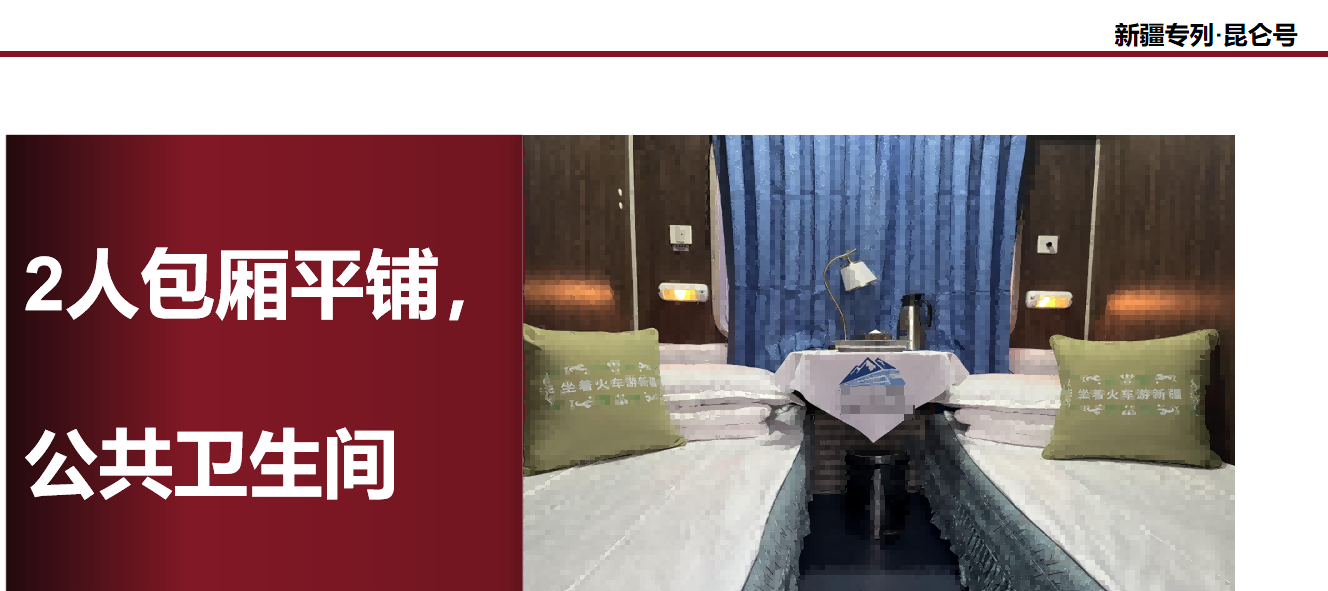
Xinjiang, a land that accounts for one-sixth of China’s territorial area, is not only a treasure trove of natural landscapes but also a living museum of diverse cultural exchanges. In 2026, the ‘Kunlun’ tourist special train, centered around ‘culture + nature,’ will connect classic attractions and intangible cultural heritage sites across northern and southern Xinjiang, with a special focus on ‘Mukam Art,’ a human intangible cultural heritage, allowing tourists to experience the unique charm of the ‘Land of Song and Dance’ during their journey.Day 11:Early Morning Pick-up in Altay – Ahe Highway – Hemu Scenic Area – Yunxiao Peak Cable Car
Highlights:The Ahe Highway is accompanied by forests, streams, and snow-capped mountains along the way. Hemu Village is known as ‘God’s Private Land,’ with morning smoke and wooden houses forming an ink wash painting.
Day 12:Hemu – Kanas Scenic Area – Three Bays – Tuva Home Visit – Wucaitan – Beitun – Train to Urumqi
Highlights:Explore the legend of the ‘water monster’ at Kanas Lake and hike through Fairy Bay, Moon Bay, and Wolong Bay. The yardang landforms of Wucaitan display a kaleidoscope of colors at sunset.
Day 13:Early Morning Arrival in Urumqi – Heavenly Lake of Tianshan – International Bazaar – Urumqi
Highlights:Hike or take a boat at Heavenly Lake of Tianshan and shop for handicrafts and dried fruits at the International Bazaar.
Day 14:Urumqi – Departure
Return and end the journey.
III. Price Description: Multiple Room Types to Meet Different Needs
(The following prices strictly adhere to the original text of the ‘Local Itinerary Facts,’ with recommendations to add compliance tips.)
The ‘Kunlun’ tourist special train offers multiple room types, with reference prices for 2026 as follows (specific prices are subject to contract and may fluctuate by departure date):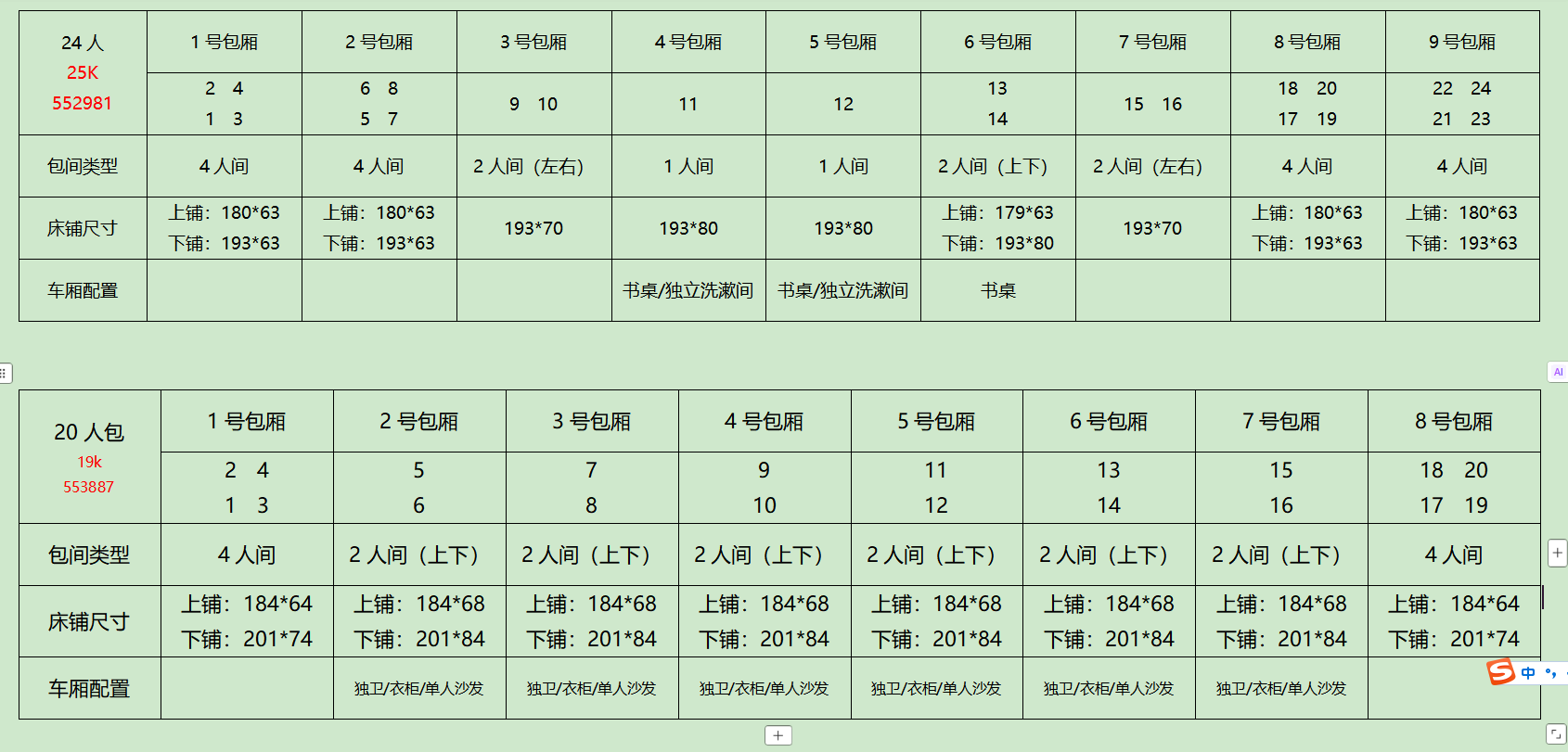
【Mukam Culture: A Musical Epic on the Silk Road】May Edition (Group Dates:May 22)
Four-Person Compartment (Shared Bathroom):Upper Bunk: 14,800 yuan/person, Lower Bunk: 15,800 yuan/person
Two-Person Compartment (Shared Bathroom):Upper Bunk: 17,800 yuan/person, Lower Bunk: 18,800 yuan/person
Two-Person Compartment (Flat Bunk):Lower Bunk: 18,800 yuan/person
Two-Person Compartment (Private Bathroom):Upper Bunk: 22,800 yuan/person, Lower Bunk: 23,800 yuan/person
Deluxe Private Room (Single Occupancy):38,800 yuan/person
June-September Edition (Group Dates:June 4, June 17, June 30, July 13, July 26, August 8, August 21, September 2, September 14)
Four-Person Compartment (Shared Bathroom):Upper Bunk: 15,800 yuan/person, Lower Bunk: 16,800 yuan/person
Two-Person Compartment (Shared Bathroom):Upper Bunk: 18,800 yuan/person, Lower Bunk: 19,800 yuan/person
Two-Person Compartment (Flat Bunk):Lower Bunk: 19,800 yuan/person
Two-Person Compartment (Private Bathroom):Upper Bunk: 23,800 yuan/person, Lower Bunk: 24,800 yuan/person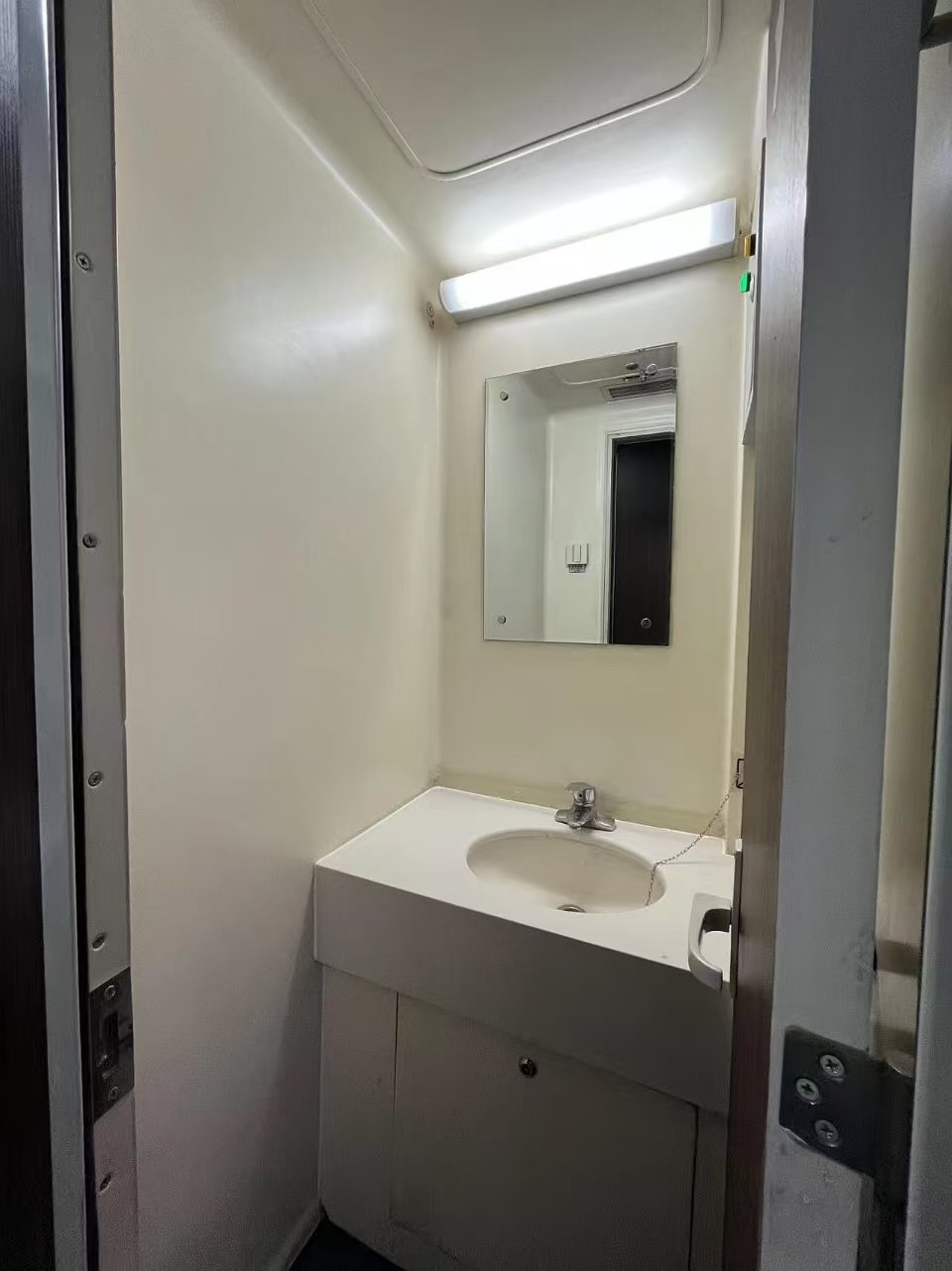
Mukam, meaning ‘grand suite’ in Uyghur, is a comprehensive art form integrating song, dance, and music, known as the ‘Gem of Oriental Music.’ In 2026, Xinjiang still preserves the living heritage of Mukam:Deluxe Private Room (Single Occupancy):39,800 yuan/person
Tips:Prices include special train sleeper berths, scenic area entrance tickets, some meals, and guide services. They do not include round-trip transportation to Urumqi, personal expenses, or . Single travelers will be coordinated for room sharing as much as possible; special circumstances require separate negotiation.
IV. Registration Method: Xinjiang Trailblazer International Travel Agency, Professional Service Guarantee
You can register through Xinjiang Trailblazer International Travel Agency. Customer service manager Zhang Jing will provide detailed itinerary consultations and contract signing services.
V. Fee Description and Service Description
Fees Include:Special train sleeper berths, first entrance tickets to scenic areas, meals indicated in the itinerary, local guide services, and travel accident insurance.
Fees Do Not Include:Round-trip airfare/train tickets to Urumqi, personal expenses, meals during free activities, and .
Service Description:If weather, policies, or other force majeure factors affect the itinerary during the trip, both parties may agree to make reasonable changes to the itinerary through consultation. Specific service content is subject to actual consultation and contract signing.
VI. Travel Tips
Best Seasons:June-September is the peak tourist season in Xinjiang, with beautiful grasslands and lakes. May and late September offer fewer crowds and high cost-effectiveness.
Clothing Suggestions:Xinjiang has large temperature differences between day and night, so bring a windbreaker or thin down jacket. Comfortable sports shoes are recommended for hiking in scenic areas.
Cultural Respect:Dress modestly when visiting (avoid short skirts and sleeveless tops). When interacting with local residents, smile and greet them first, respecting the customs of various ethnic groups.
🌄 The beauty of Xinjiang lies in its grandeur of ‘one mountain with four seasons, ten li different skies,’ as well as the warmth of cultural exchanges among various ethnic groups. The ‘Kunlun’ special train is not just a means of transportation but also a window to Silk Road culture. In 2026, let’s embark on this moving ‘cultural living room’ and understand Xinjiang’s past and present through the melodies of Mukam.
Contact Manager Wang Fei at phone number 18095969599 or WeChat 18095969599 to send itinerary and quotation.


