

Chengdu themed Tourist Train 2026 Official Ticket Booking Channels Booking Instructions and Tips to Avoid Pitfalls Recommended Routes, Costs, and Prices
Contact Manager Yang Jia at phone number 13325559266 or WeChat 13325559266 to send itinerary and quotation.
🚂 Chengdu Tourism Special Train 2026: Ticket Booking Instructions and Travel Reference
Since the beginning of summer, Xinjiang has gradually entered a suitable period for sightseeing. Many tourists from Sichuan, Chongqing, and Gansu are planning long-distance travel itineraries. The Chengdu Tourism Special Train offers a 16-day in-depth tour of Xinjiang, covering various regions including Southern Xinjiang’s cultural heritage, the scenery of the Pamir Plateau, the landscapes of the Duku Highway, the flower fields of the Ili River Valley, the primitive forests of Altay, and the Tianshan Tianchi. Throughout the journey, there is no need to frequently move luggage, and the pace is relaxed, catering to the travel needs of tourists of all ages.
🌄 Introduction to the Core Features of the Itinerary
This Chengdu Special Train departs from Chengdu or Lanzhou, connecting the core sightseeing areas of Northern and Southern Xinjiang, covering both cultural and natural landscape destinations.
The first destination is the Turpan region, which is at a lower altitude in Xinjiang and experiences higher summer temperatures. The local Karez, an underground water conservancy project created by the working people, is still in use today. The Flaming Mountains region features distinct geological characteristics, making it suitable for photography. Next, we travel to Kashgar, a city with a long history. The ancient city’s streets and alleys are intricately laid out, and nearby attractions such as the Id Kah Mosque and the High Platform Residential Area allow tourists to experience the local way of life.
From Kashgar, we head to the Pamir Plateau, where you can see Baisha Lake with its clear waters and the gently colored sand dunes surrounding it. Karakul Lake is adjacent to Muztagh Ata, and on clear days, you can see the mountain’s reflection spread across the lake’s surface. Afterward, we take the southern section of the Duku Highway to Kuqa, where the red rock formations of the Tianshan Grand Canyon display rich layers under sunlight. The Duku Highway connects various landscapes such as mountains, grasslands, and forests, allowing for stops to admire the scenery along the way.
Upon arriving at Bayinbuluk, you can see the wetland landscapes of the Swan Lake area. Then, we take the middle section of the Duku Highway to the Nalati Grassland, where the summer grass grows well, dotted with colorful wildflowers. Many local people graze their livestock on the grassland, creating a leisurely atmosphere. Next, we visit the Tianshan Flower Sea Scenic Area, where flowers of different blooming periods are planted in large patches, offering a good viewing experience. The streets of Yining’s Six-Star Street are uniquely laid out, and many small shops offer local specialty diets for visitors to experience.
Sayram Lake is located between high mountains, and the color of the lake water changes in different layers with the light. Herds of livestock often pass by on the grasslands beside the lake. Afterward, we head to the Altay region, where the wooden houses in the Hemu Scenic Area are scattered and surrounded by primitive forests. The soft light in the early morning and evening makes it suitable for photography. In the Kanas Scenic Area, the lakes and rivers are clear. The Guanyu Platform offers a panoramic view of Kanas Lake, while the Moon Bay, Xian Bay, and Wolong Bay each have unique landscapes. Many tourists choose to walk along the wooden boardwalks for sightseeing. The final stop is the Tianshan Tianchi, located at the foot of Bogda Peak. The lake surface is calm, surrounded by dense vegetation on the mountains, providing a good sightseeing experience.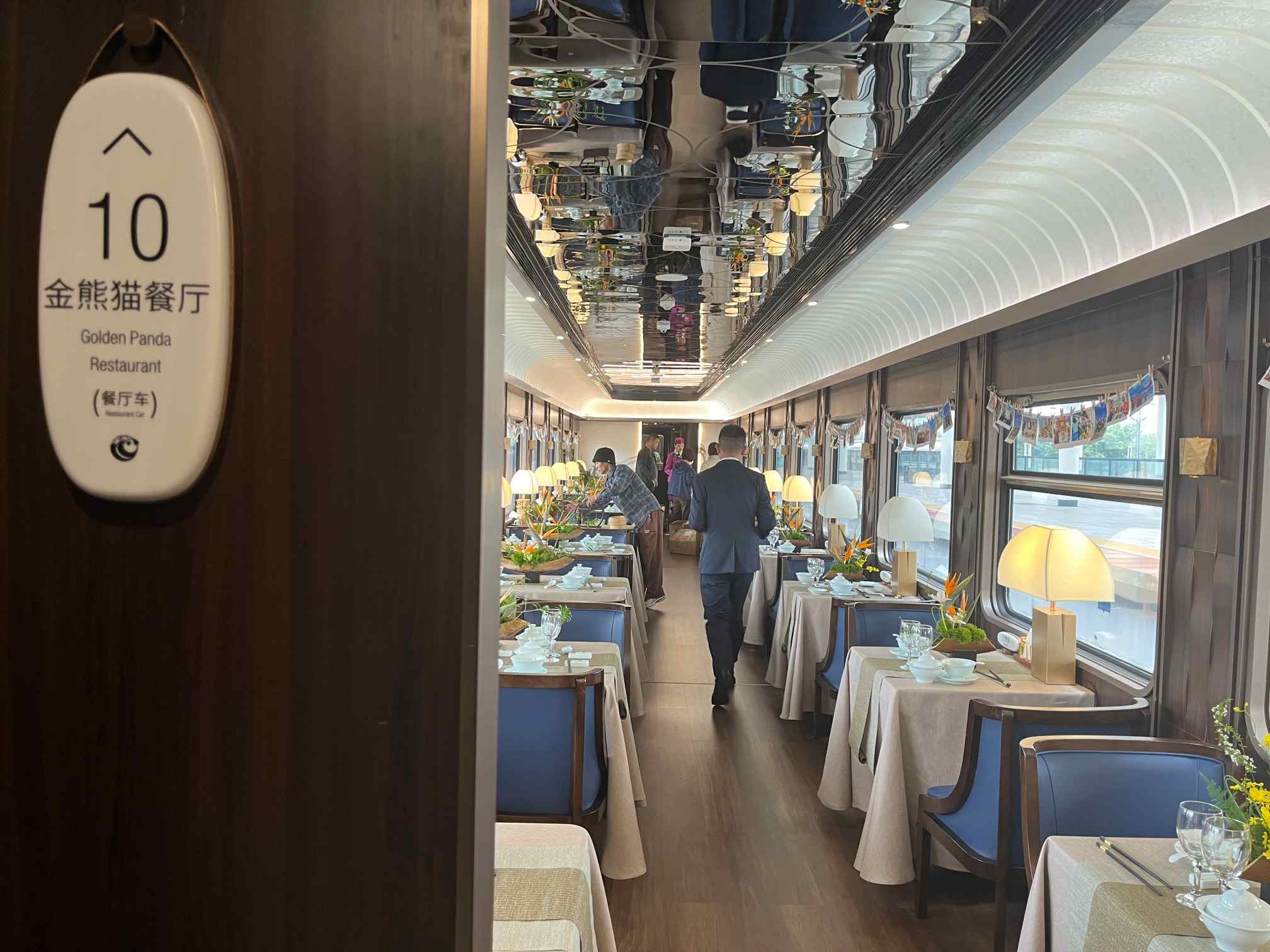

🚂 Chengdu Tourism Special Train 2026: Ticket Booking Instructions and Travel Reference. The itinerary also includes many special interactive activities, such as Sichuan Opera face-changing and panda blessings at departure, board games and interactive games on the train, and folk song gatherings on the return journey, ensuring a rich experience for tourists along the way.
🗺 ️ Brief Itinerary
Day 1: Chengdu/Lanzhou → Turpan (Sichuan Opera face-changing, panda blessings, lantern riddle contests)
Day 2: Sightseeing on the Chengdu Special Train (Sichuan mahjong experience, Werewolf, chess/Gomoku)
Day 3: Turpan → Kashgar (Karez, Flaming Mountains)
Day 4: Kashgar (Kashgar welcome dinner)
Day 5: Kashgar → Pamir Plateau (Baisha Lake, Karakul Lake, Muztagh Ata)
Day 6: Kashgar → Kuqa (Kashgar Ancient City, Id Kah Mosque, High Platform Residential Area)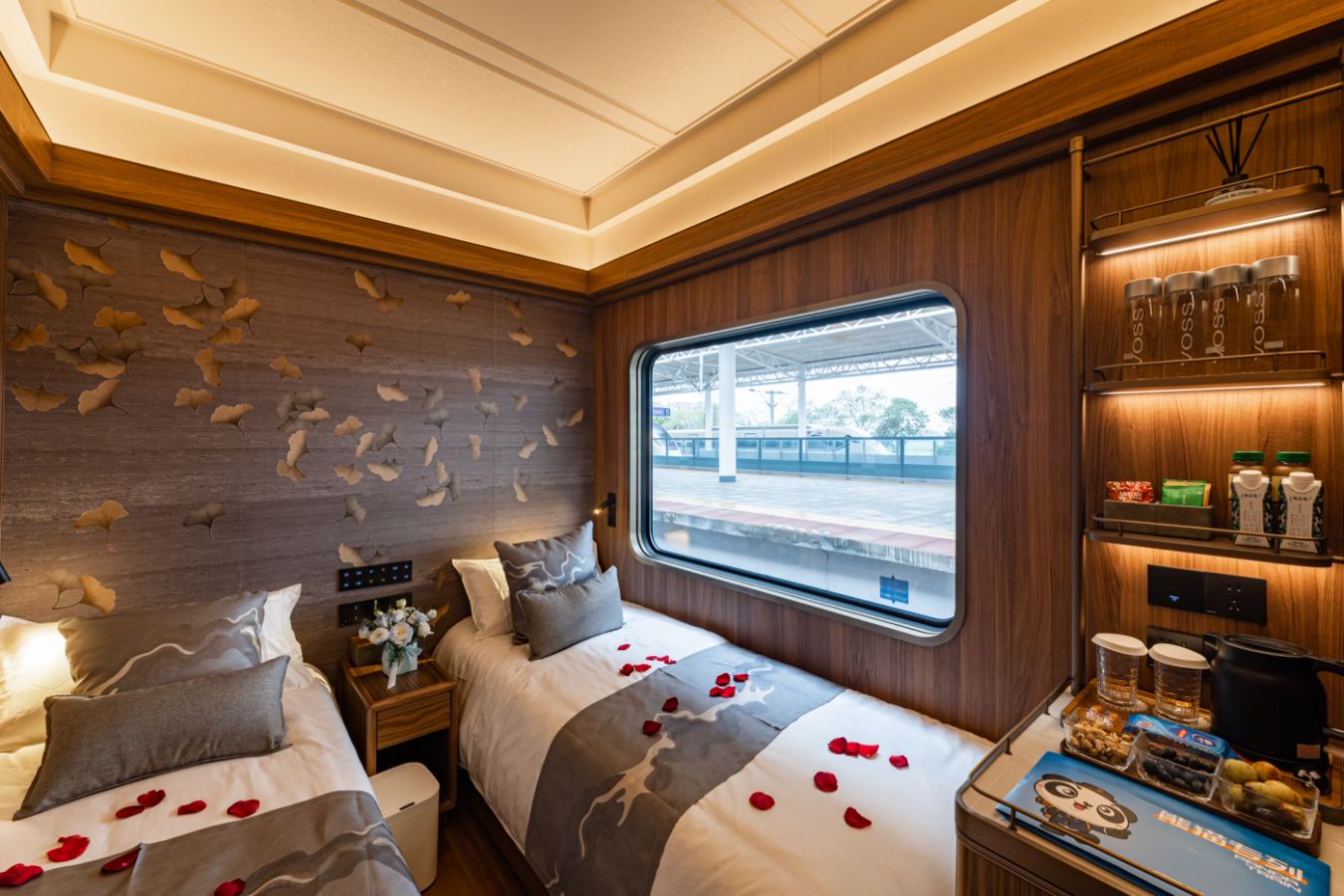
Since the beginning of summer, Xinjiang has gradually entered a suitable period for sightseeing. Many tourists from Sichuan, Chongqing, and Gansu are planning long-distance travel itineraries. The Chengdu Tourism Special Train offers a 16-day in-depth tour of Xinjiang, covering various regions including Southern Xinjiang’s cultural heritage, the scenery of the Pamir Plateau, the landscapes of the Duku Highway, the flower fields of the Ili River Valley, the primitive forests of Altay, and the Tianshan Tianchi. Throughout the journey, there is no need to frequently move luggage, and the pace is relaxed, catering to the travel needs of tourists of all ages. Day 7: Kuqa → Bayinbuluk (Tianshan Grand Canyon, southern section of the Duku Highway, Bayin Swan Lake)
Day 8: Bayinbuluk → Nalati (middle section of the Duku Highway, Nalati Grassland)
Day 9: Nalati → Yining (Tianshan Flower Sea Scenic Area, Yining Six-Star Street)
Day 10: Yining → Beitun (Sayram Lake)
Day 11: Beitun → Hemu (Hemu Scenic Area, scenic tea break + aerial photography)
Day 12: Hemu → Kanas (Haden Viewing Platform, Kanas Scenic Area, Kanas boat tour)
Day 13: Kanas → Urumqi (Guanyu Platform, Moon Bay, Xian Bay, Wolong Bay)
Day 14: Urumqi (Tianshan Tianchi Scenic Area)
Day 15: Urumqi → Lanzhou → Chengdu (folk song gathering, chess master, Werewolf)
🌄 Introduction to the Core Features of the Itinerary Day 16: Arrival in Lanzhou/Chengdu, marking the successful conclusion of the itinerary
💴 Price Information
There are seven departure dates available for this Chengdu Special Train. The reference prices are as follows:
First Departure:From June 4, 2026, to June 19, 2026. Leisurely Residence: 65,999 yuan/person, Poetic Residence: 69,999 yuan/person.
Second Departure:From June 21, 2026, to July 6, 2026. Leisurely Residence: 65,999 yuan/person, Poetic Residence: 69,999 yuan/person.
Third Departure:From July 8, 2026, to July 23, 2026. Leisurely Residence: 65,999 yuan/person, Poetic Residence: 69,999 yuan/person.
Fourth Departure:From July 25, 2026, to August 9, 2026. Leisurely Residence: 65,999 yuan/person, Poetic Residence: 69,999 yuan/person.
Fifth Departure:From August 11, 2026, to August 26, 2026. Leisurely Residence: 65,999 yuan/person, Poetic Residence: 69,999 yuan/person.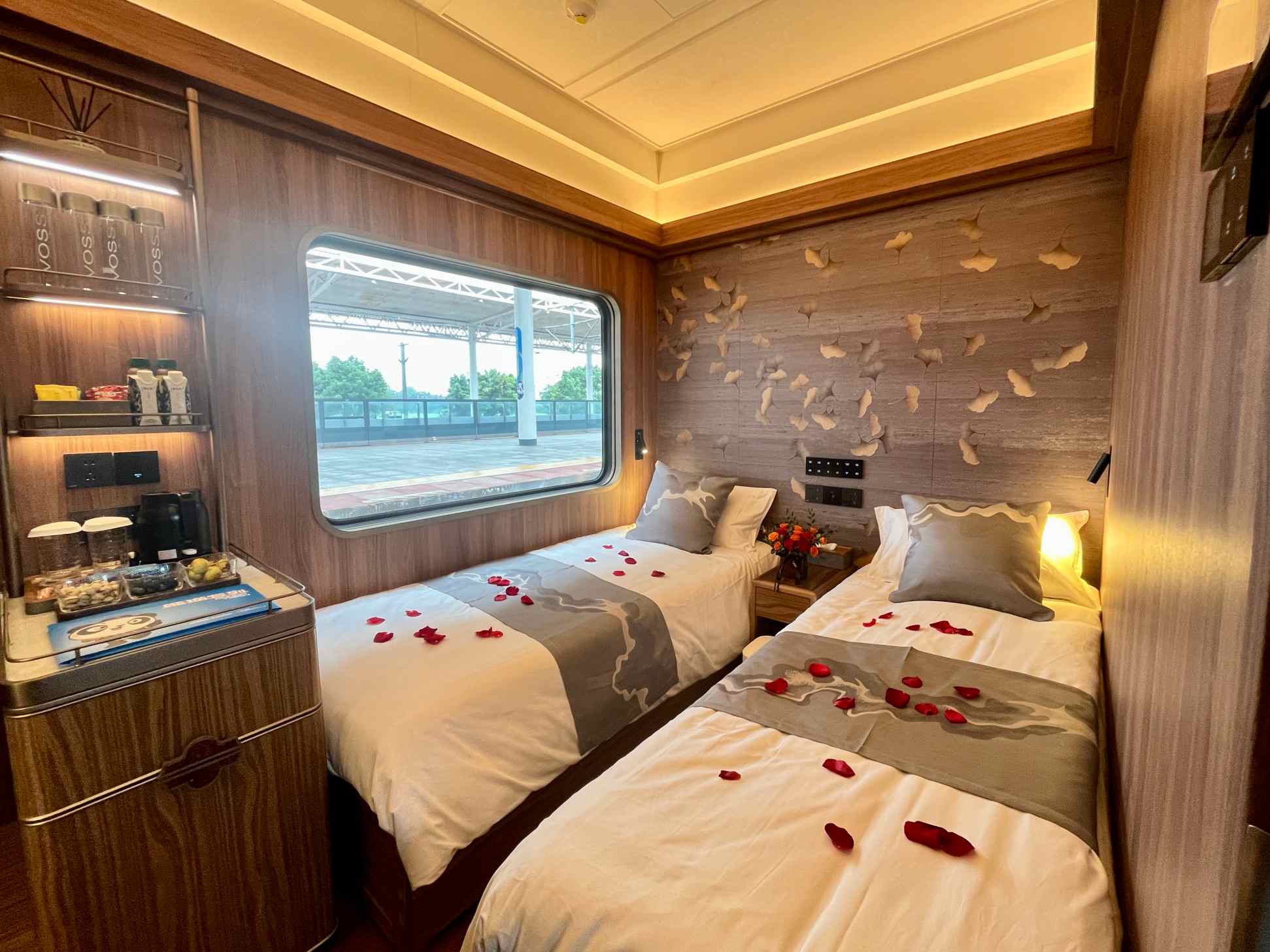
This Chengdu Special Train departs from Chengdu or Lanzhou, connecting the core sightseeing areas of Northern and Southern Xinjiang, covering both cultural and natural landscape destinations.Sixth Departure:From August 28, 2026, to September 12, 2026. Leisurely Residence: 68,999 yuan/person, Poetic Residence: 72,999 yuan/person.
Seventh Departure:From September 14, 2026, to September 29, 2026. Leisurely Residence: 68,999 yuan/person, Poetic Residence: 72,999 yuan/person.
The departure dates for the corresponding groups are June 4, June 21, July 8, July 25, August 11, August 28, and September 14. The above prices are for reference only and may fluctuate based on registration status and market changes. The final prices and availability are subject to the contract signed by both parties.
🤝 Registration Method
Tourists interested in registering can do so through Xinjiang Explorer International Travel Agency. For details, please consult the customer service manager Zhang Jing at Xinjiang Explorer International Travel Agency. Any questions regarding the itinerary, accommodation, or transportation can be confirmed in advance.
💡 Fee Explanation and Service Explanation
The reference items included in the fees are: accommodation fees on the special train for the corresponding room type, first admission ticket fees for scenic spots marked in the itinerary, group meal fees marked in the itinerary, fees for formal tourist vehicles for local sightseeing, service fees for accompanying staff, and travel accident insurance fees. Reference items not included in the fees are: voluntary consumption items within scenic spots (such as boat tours, special experience projects, non-essential transportation fees within scenic spots), personal consumption items, and related fees incurred for single occupancy. The specific included and excluded items are subject to actual consultation and contract signing.
In terms of services, the special train is equipped with basic medical support personnel who can handle common sudden physical discomfort. Accompanying讲解人员 (interpretation personnel) can introduce the scenic spots along the way and local customs. The tourist vehicles used for local sightseeing are all compliant and operated by drivers with extensive experience in driving on mountain roads. For single registrants, our agency will do its best to coordinate room sharing. Special circumstances require separate negotiation. The itinerary may be reasonably changed due to weather, road conditions, scenic spot opening policies, temporary traffic control, and other factors, subject to mutual agreement. Refund and change rules are subject to the contract provisions. All benefits are subject to the contract content signed by both parties.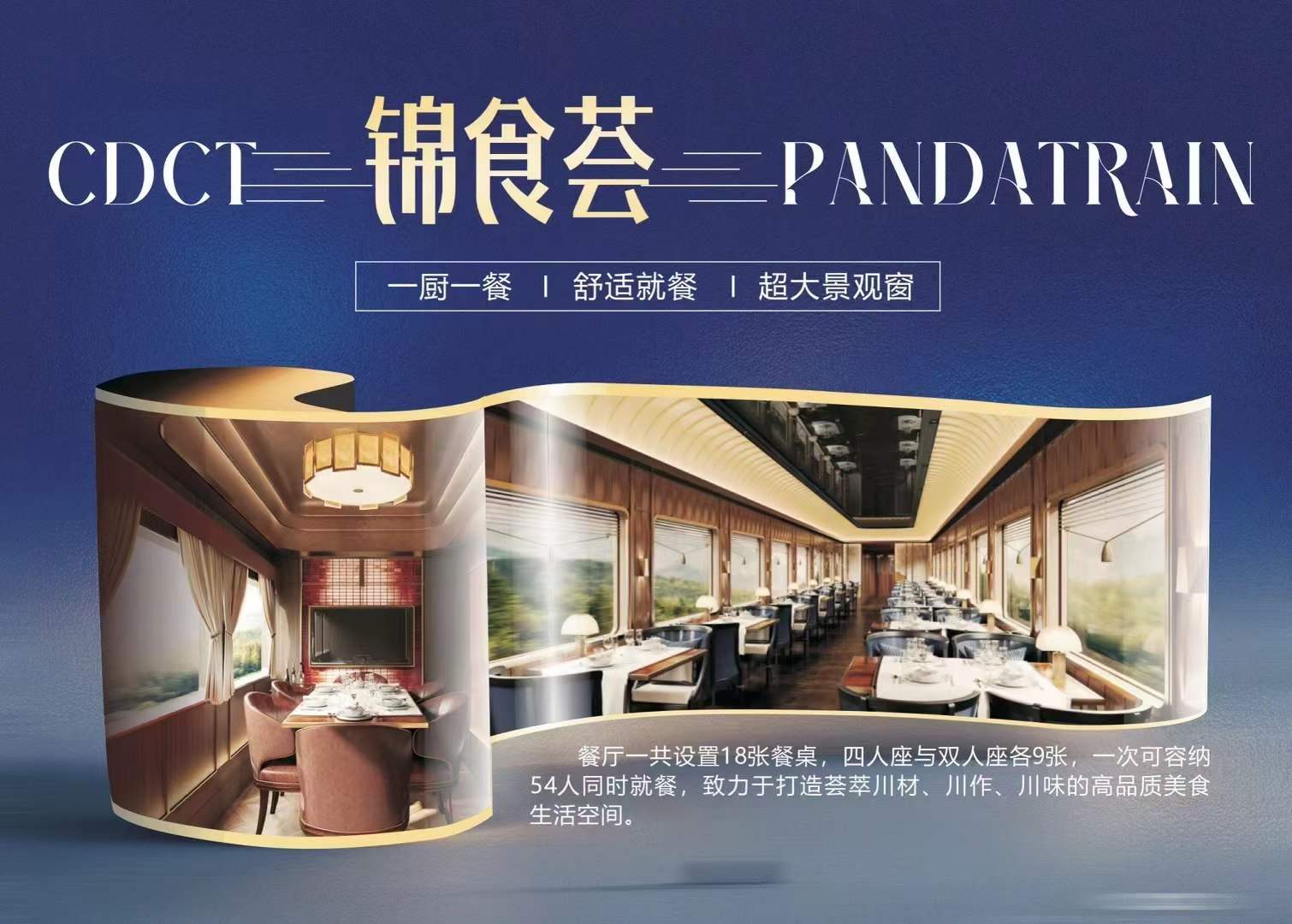
The first destination is the Turpan region, which is at a lower altitude in Xinjiang and experiences higher summer temperatures. The local Karez, an underground water conservancy project created by the working people, is still in use today. The Flaming Mountains region features distinct geological characteristics, making it suitable for photography. Next, we travel to Kashgar, a city with a long history. The ancient city’s streets and alleys are intricately laid out, and nearby attractions such as the Id Kah Mosque and the High Platform Residential Area allow tourists to experience the local way of life.⚠ ️ Travel Tips Reference
Before confirming registration, it is recommended to check your travel dates, match them with the corresponding departure dates, and confirm availability with the staff in advance to avoid affecting your travel plans due to insufficient availability.
Xinjiang is vast, and there are significant temperature differences between day and night in various regions. Even when traveling in summer, it is recommended to bring thick coats, long pants, and other clothing. The temperature is lower in high-altitude regions, and it feels colder when the wind blows. At the same time, prepare sun hats, sunscreen, sunglasses, lip balm, moisturizing skincare products, etc. The local climate is dry, and the ultraviolet intensity is high. Taking protective measures can enhance the sightseeing experience.
The itinerary involves high-altitude regions such as the Pamir Plateau. Tourists with underlying conditions such as high blood pressure, heart disease, or asthma are advised to inform the staff in advance, assess whether their physical condition is suitable for traveling, and prepare relevant common medications in advance.
There is approximately a 2-hour time difference between Xinjiang and the mainland. The itinerary’s schedule will be adjusted according to local time. Tourists can adjust their schedules in advance to adapt to the time difference changes.
The local diet mainly consists of beef, mutton, and noodles, with a heavy taste. If you have dietary restrictions, please inform the staff in advance, and they will do their best to coordinate and arrange suitable meals.
The self-funded projects within scenic spots are all voluntary choices. Tourists can decide whether to participate based on their own needs and interests. Unnecessary projects allow for free activities.
The itinerary includes an aerial photography session. It is recommended that tourists prepare suitable clothing for photography to enhance the photo results. The aerial photography materials will be uniformly shared with participating tourists afterward.
The special train provides hot water and meal supplies, as well as basic daily necessities for sale. Tourists can also prepare their own snacks in advance according to their dietary habits.
During the sightseeing process, it is recommended to comply with the scenic spot’s regulations, not enter unopened areas, pay attention to the surrounding environment when taking photos, and take care of accompanying elderly people and children.
Contact Manager Yang Jia at phone number 13325559266 or WeChat 13325559266 to send itinerary and quotation.


